
Alleppey Backwaters
The signature Kerala experience — drifting through a labyrinth of palm-fringed canals and lagoons aboard a traditional kettuvallam houseboat, often with an overnight stay on the water.
Fringed by the Arabian Sea and threaded with palm-lined canals, Kerala — ‘God’s Own Country’ — is a tapestry of backwaters, hill-station tea gardens and Ayurvedic calm. Glide through the Alleppey backwaters on a traditional houseboat, breathe the misty heights of Munnar, and spot wildlife in the Thekkady reserves.
Fringed by the Arabian Sea and threaded with palm-lined canals, Kerala — ‘God’s Own Country’ — is a tapestry of backwaters, hill-station tea gardens and Ayurvedic calm. Its gentle pace, lush greenery and rich culture make it one of India’s most rejuvenating destinations.
A Kerala journey moves naturally from the misty heights of Munnar to a houseboat night on the Alleppey backwaters and a wildlife cruise in Thekkady, finishing on the beaches of Kovalam or the historic streets of Kochi. Few places pack such variety into so compact a region.
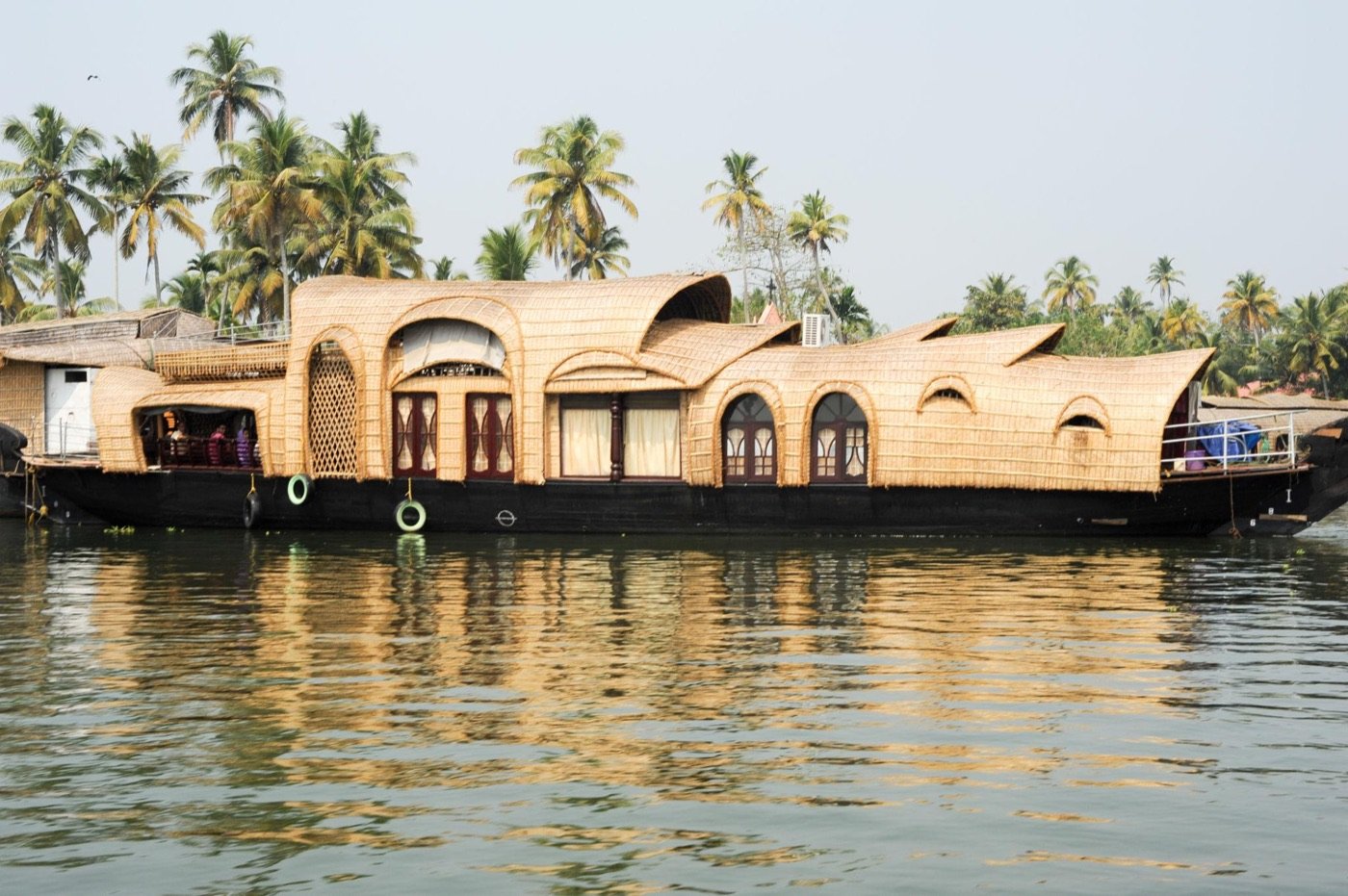
The signature Kerala experience — drifting through a labyrinth of palm-fringed canals and lagoons aboard a traditional kettuvallam houseboat, often with an overnight stay on the water.
Rolling emerald tea estates wrapped in mountain mist, dotted with viewpoints, waterfalls and the Eravikulam National Park, home to the rare Nilgiri tahr.
A lush wildlife reserve where boat safaris on Periyar Lake offer chances to spot elephants, bison and birds, set amid spice-scented hills.
A charming historic port town of Chinese fishing nets, colonial churches, a Jewish synagogue and atmospheric art cafés — a window into Kerala’s trading past.
Kerala’s culture is among India’s most distinctive, expressed through the dramatic Kathakali dance-drama, the martial art Kalaripayattu, and the spectacular temple festivals of Thrissur Pooram with their caparisoned elephants. The state’s long trading history has woven Hindu, Christian, Muslim and Jewish influences into daily life.
Ayurveda is deeply rooted here, with traditional wellness retreats and monsoon therapies drawing visitors worldwide, while the snake-boat races of Onam showcase the region’s love of community and celebration.
Overall, the ideal time to plan your Kerala trip is September–March. Here is a season-by-season guide to help you choose:
No trip to Kerala is complete without savouring its iconic flavours. Here are the local specialities you must try:
A 6–8 day trip lets you comfortably combine Munnar, Thekkady, the Alleppey backwaters and Fort Kochi, with time for a beach or Ayurveda stay.
Yes — an overnight houseboat cruise through the backwaters is Kerala’s signature experience, with home-cooked meals and tranquil, ever-changing scenery.
The monsoon months (June–August) are traditionally considered ideal for Ayurvedic treatments, as the cool, humid climate is believed to enhance their effect.
A popular loop is Kochi → Munnar → Thekkady → Alleppey → Kovalam/Kochi, moving from hills to backwaters to coast for the best variety.