
Few destinations in the world can match the raw, otherworldly beauty of Leh-Ladakh. Sitting at an altitude of over 3,500 metres in the Himalayas, this former Himalayan kingdom offers landscapes that look borrowed from another planet — turquoise lakes, moonscapes, ancient monasteries perched on impossible cliffs, and roads that disappear into the clouds.
A first trip to Ladakh demands respect: respect for the altitude, for the fragile ecosystem, and for the unique Buddhist culture that has thrived here for over a thousand years. Plan carefully, and you will return home with memories that last a lifetime.
Best Time to Visit
The road trip season runs from May to September when the Manali-Leh and Srinagar-Leh highways are open. July and August see occasional rains but the landscapes are lush. September is the sweet spot — clear skies, fewer tourists, and Pangong Tso at its most vivid blue.
For winter travel (December–March), Leh is accessible only by air. The Chadar Trek on the frozen Zanskar River is a once-in-a-lifetime winter adventure.
How to Reach Leh
- By Air: Daily flights from Delhi, Mumbai, Chandigarh, and Srinagar. The quickest option but acclimatisation is essential after landing.
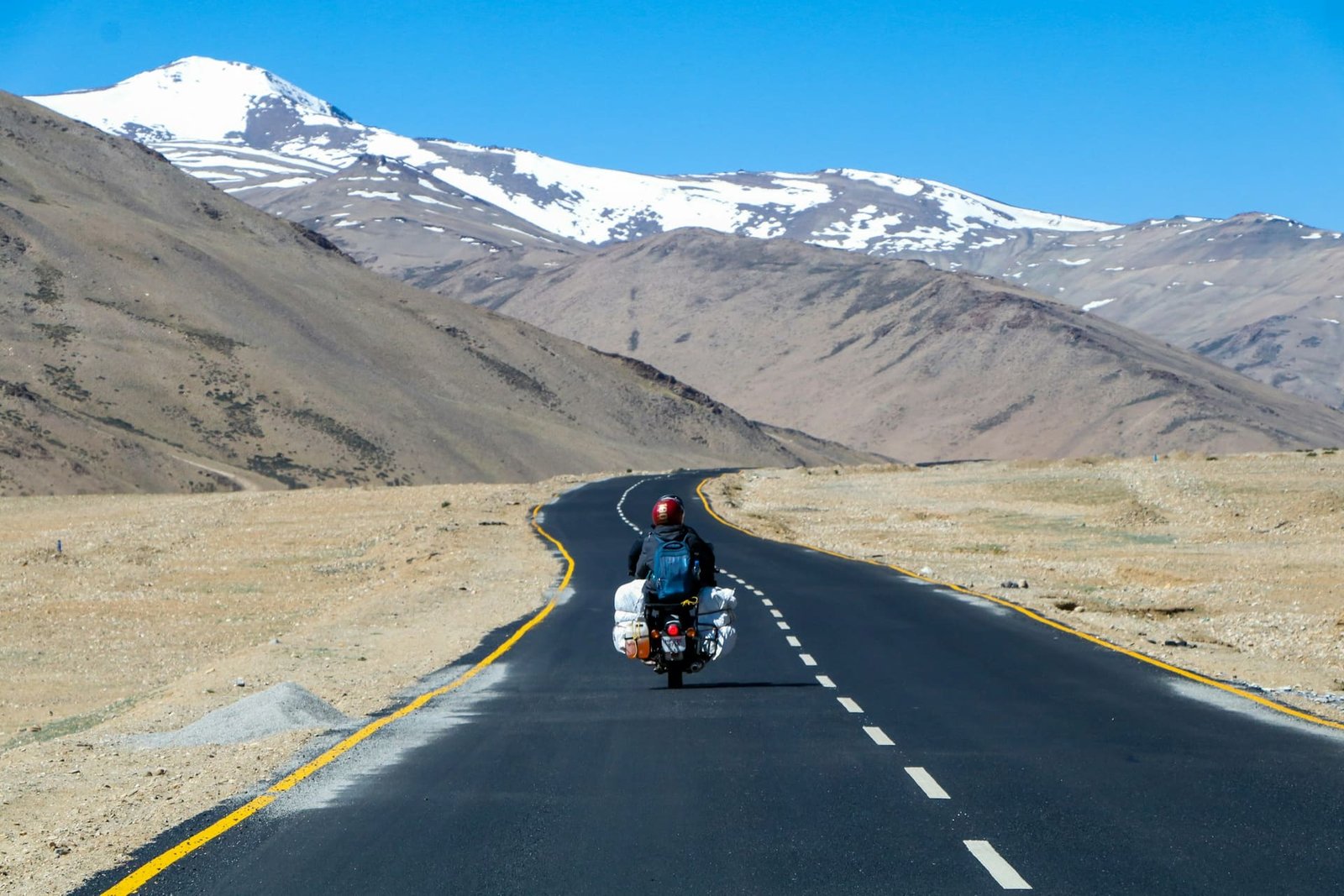
- By Road via Manali: The dramatic 470-km highway through Rohtang Pass and Baralacha La. Takes 2 days; best done as part of the adventure.
- By Road via Srinagar: The 434-km Srinagar-Leh National Highway through Zoji La and Kargil — equally stunning.
Acclimatisation: The Most Important Step
Altitude sickness is the single biggest risk for first-time visitors. Leh sits at 3,500 m and many sights are at 4,000–5,000 m. On arrival by air, rest completely for the first 24–48 hours. Do not trek or sightsee. Drink plenty of water, avoid alcohol, and let your body adjust.
Diamox (acetazolamide) can help but always consult a doctor before taking any medication. If you feel severe headache, vomiting, or breathlessness, descend immediately — do not delay.
Must-Visit Places
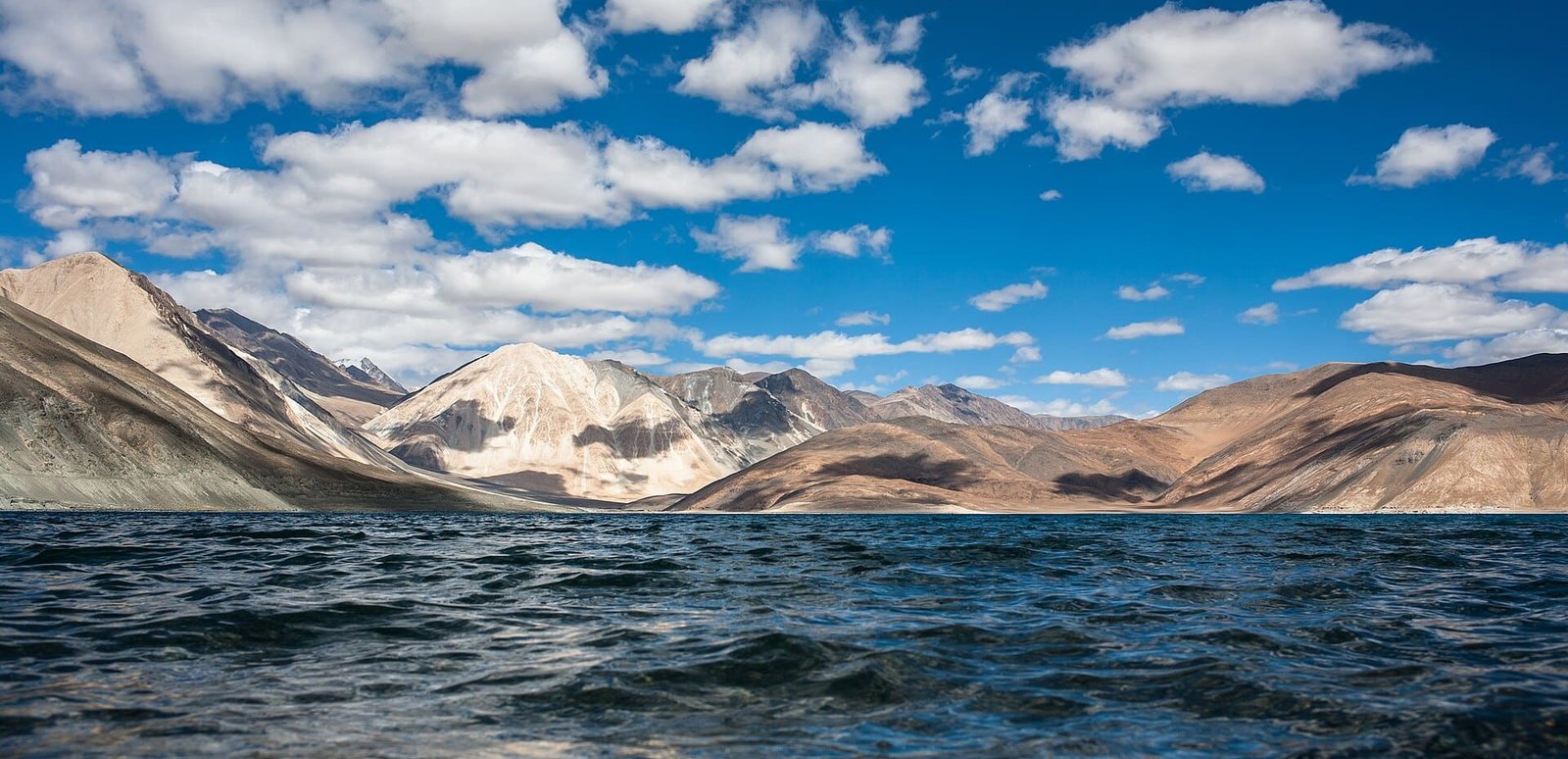
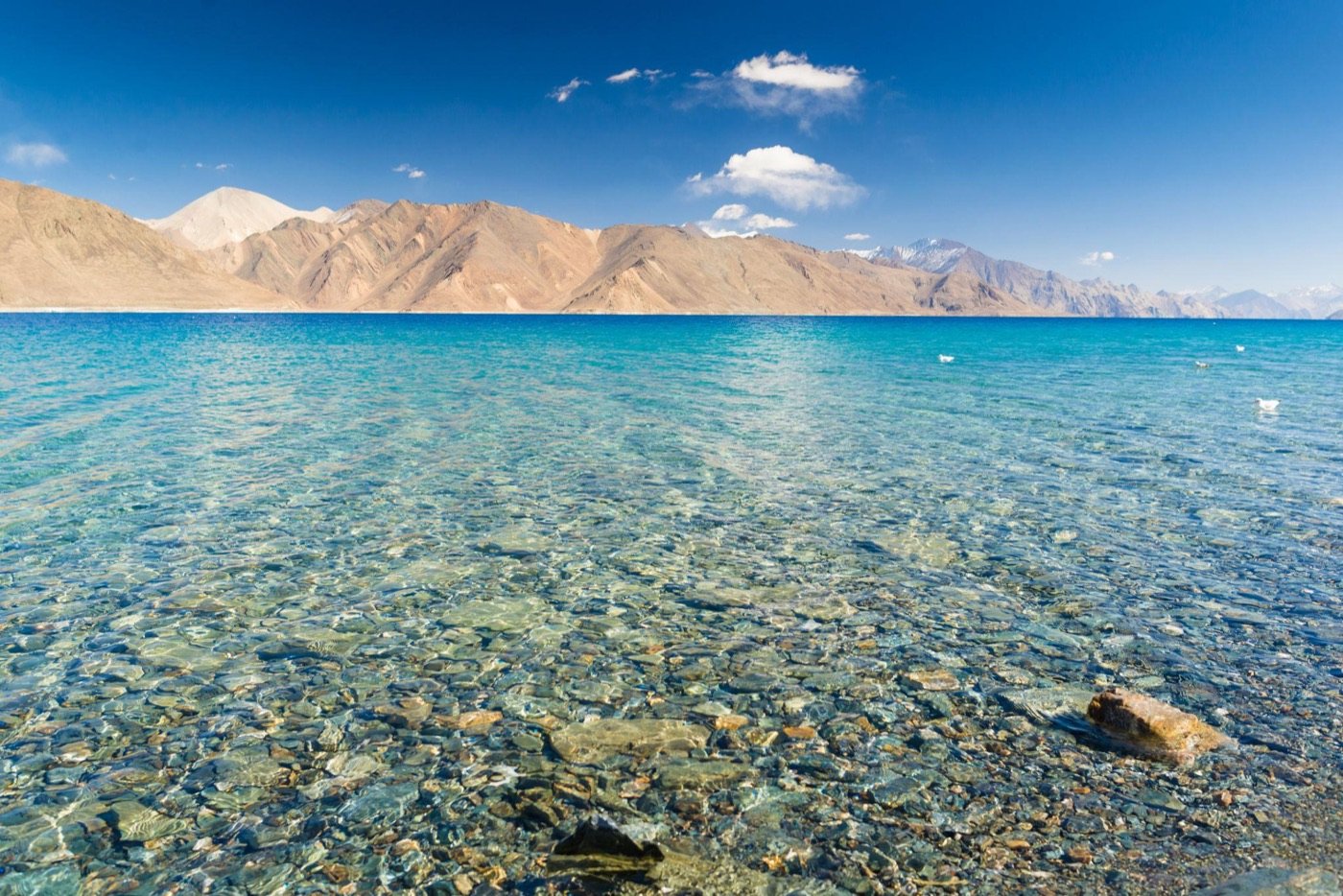
- Pangong Tso Lake — the iconic high-altitude lake that changes colours through the day (4,350 m)
- Nubra Valley — sand dunes at 3,000 m with double-humped Bactrian camels
- Magnetic Hill — the optical illusion road where vehicles appear to roll uphill
- Thiksey Monastery — often compared to the Potala Palace in Tibet
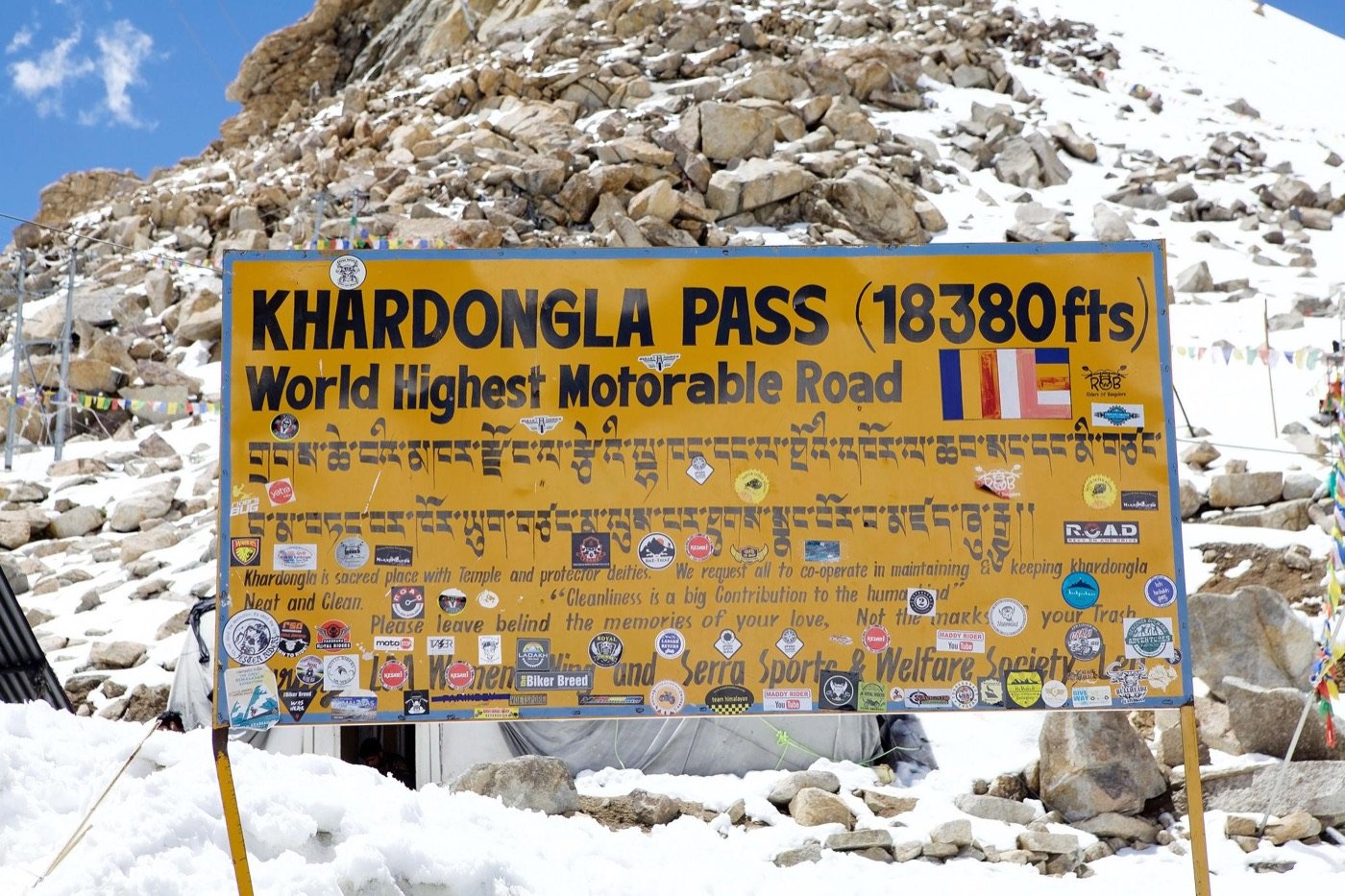
- Khardung La Pass — one of the world's highest motorable roads at 5,359 m
- Shanti Stupa — a white-domed peace pagoda with sweeping views of Leh town
- Hemis National Park — India's largest national park and home to snow leopards
Permits You Will Need
An Inner Line Permit (ILP) is mandatory for Indian nationals and a Protected Area Permit (PAP) for foreigners to visit certain areas including Nubra Valley, Pangong Tso, and Tso Moriri. These can be obtained online or through a local travel agency in Leh.
Budget & Practical Tips
- Carry sufficient cash — ATMs are unreliable in remote valleys
- Fuel up at every opportunity; petrol pumps are sparse beyond Leh town
- Book hotels in advance for June–August; availability drops sharply during peak season
- Try Ladakhi food — thukpa, momos, tsampa, and butter tea are not to be missed
- Respect local monastery rules: dress modestly, remove shoes, and ask before photographing
- Carry a power bank; electricity can be intermittent in remote campsites